
Cart
0
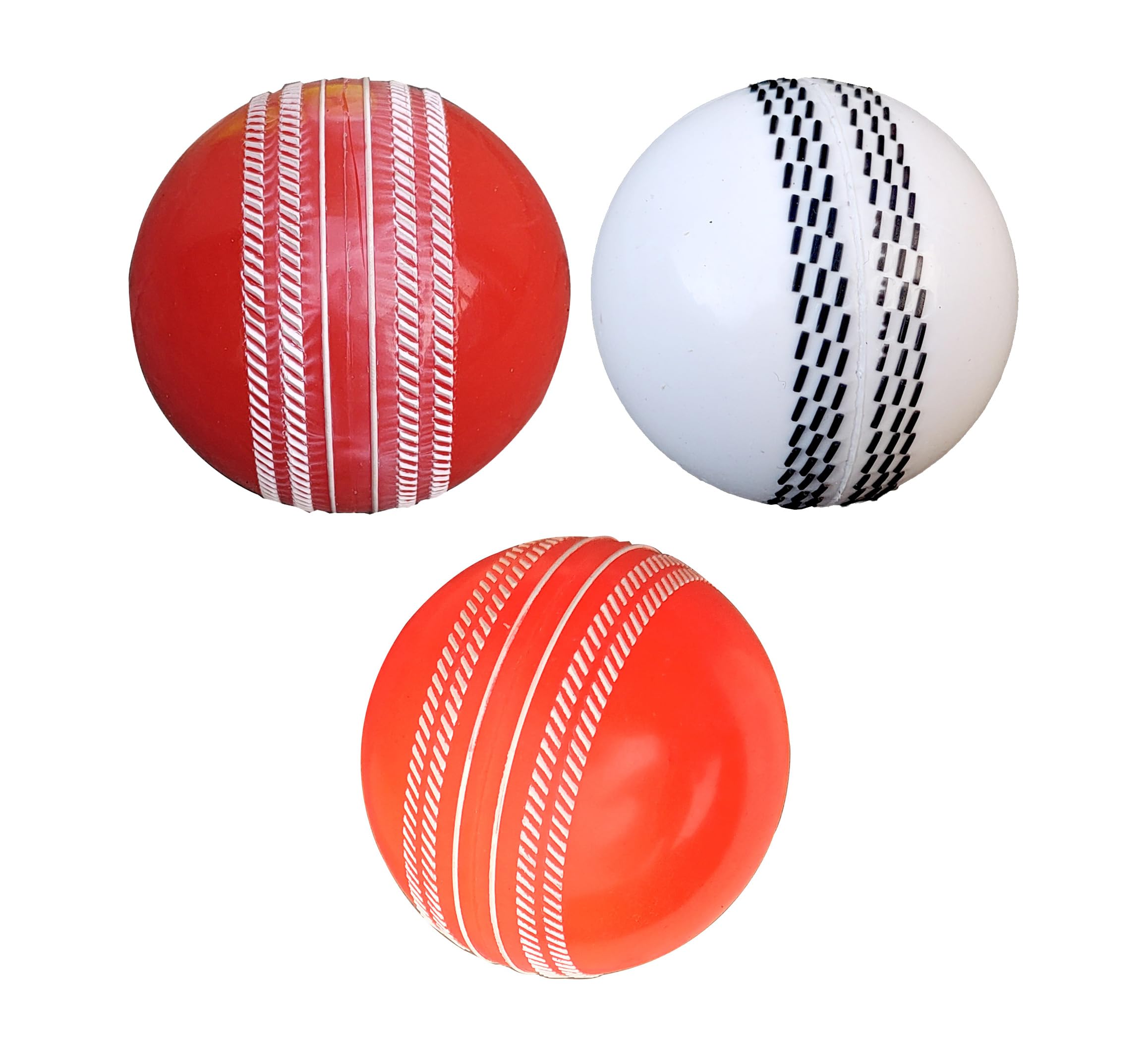
Cricket is a sport where even the smallest details can change the outcome of a match, and the cricket ball is one of the most important of them all. From controlling swing in the air to dictating bounce off the pitch, the type of ball used directly influences how the game is played by both batters and bowlers.
In this guide, we explain the different types of balls used in cricket, how they are made, where they are commonly used, and how to choose the right one based on your playing level and conditions.

Understanding the Cricket Ball
A cricket ball is carefully manufactured to meet specific standards set by governing bodies. It is not just about appearance its weight, size, hardness, seam height, and outer material all play a role in how it behaves during a match.
The Standard Ball Used in Competitive Cricket
In organised and professional cricket, the leather cricket ball is the standard choice. Its stitched seam and polished surface allow bowlers to generate swing, seam movement, and reverse swing as the ball ages.
However, cricket is played at many levels from international stadiums to local streets and different situations require different types of balls. Let’s explore them in detail.
Different Types of Balls in Cricket
Leather Cricket Ball
A leather cricket ball is the most traditional and widely recognised ball in the game. It is constructed with a cork core at the centre, tightly wound with layers of string, and covered with a high-quality leather casing. The two leather halves are stitched together using a strong seam, which plays a major role in ball movement.
Why it’s important in cricket:
-
The raised seam helps bowlers generate swing and seam off the pitch
-
The polished surface allows controlled movement in the air
-
The solid construction provides consistent bounce and pace
Commonly used for:
-
Test matches, ODIs, and T20 matches
-
Club and league cricket
-
Matches played on turf or matting wickets
Leather cricket balls require regular maintenance and are not suitable for rough or concrete surfaces.

Practice Cricket Ball
Practice cricket balls are designed specifically for training purposes, where durability and repeated usage matter more than match-level performance. These balls are made to withstand long net sessions and frequent impact on different surfaces.
What sets them apart:
-
Strong outer material to resist wear and tear
-
Stable shape even after extended use
-
Minimal maintenance compared to match balls
Best used for:
-
Net practice
-
Coaching sessions
-
Cricket academies and schools
Practice balls are ideal for players who train regularly and want consistent performance without damaging expensive match balls.

Tennis Cricket Ball
A tennis cricket ball is a rubber-based ball covered with felt and is commonly used in informal cricket. It is lighter and softer than a leather ball, making it safer for casual play and beginner-level cricket.
Why it’s so popular:
-
Reduced risk of injury
-
Suitable for hard surfaces like concrete
-
Easy to hit and control
Typically used in:
-
Street cricket
-
School games
-
Casual and recreational matches
While it does not provide professional swing or seam movement, the tennis ball plays a major role in introducing players to the game.

Rubber Cricket Ball
Rubber cricket balls are solid balls made entirely of rubber and are known for their durability and consistent bounce. They are harder than tennis balls but softer than leather balls.
Key characteristics:
-
High resistance to damage
-
Consistent rebound off the surface
-
Very low maintenance
Common use cases:
-
Indoor cricket
-
Training drills
-
Practice on hard grounds
Rubber balls are often used by coaches to help players develop timing and control.

Synthetic Cricket Ball
Synthetic cricket balls are made using composite or artificial materials instead of natural leather. These balls are designed to maintain shape and performance even in challenging conditions.
Why they’re used:
-
Better resistance to moisture
-
Long-lasting shape retention
-
Suitable for high-usage environments
Ideal for:
-
Schools and cricket academies
-
Practice matches
-
Regions with unpredictable weather

Choosing the Right Cricket Ball
Selecting the right cricket ball depends on how and where you play.
Key factors to consider:
-
Playing surface
-
Frequency of play
-
Purpose (match, training, or casual)
Recommendations by Player Level:
-
Beginners: Tennis or soft rubber balls
-
Intermediate players: Practice or rubber balls
-
Advanced players: Leather cricket balls
Choosing the right ball ensures better performance, safety, and long-term value.
Common Buying Mistakes
Many players choose a cricket ball based only on brand or appearance. Using a match ball for everyday play or a soft ball for competitive training often leads to poor performance and faster damage.
Matching the ball type with your playing conditions is the key to making a smart purchase. The cricket ball may seem like a simple piece of equipment, but it plays a central role in every game. Understanding the different types of cricket balls helps players enjoy better gameplay and make informed decisions.
At Kragbuzz Retail, we offer cricket balls suited for every level of play from beginners to competitive players ensuring you always find the right fit for your game.