

Cart
0
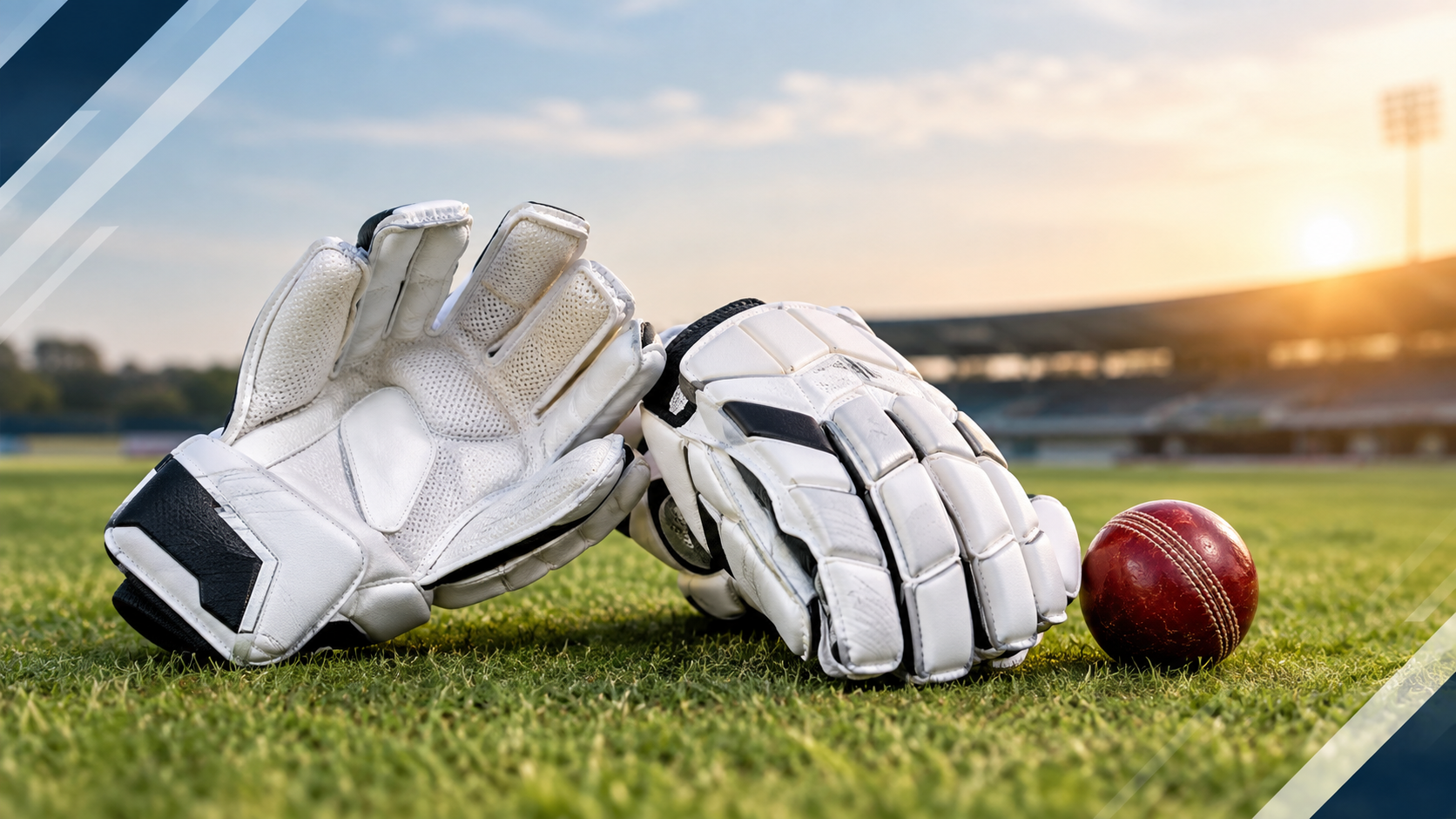
Wicketkeeping has evolved significantly with modern cricket. From quick stumpings to diving catches and standing up to the wickets, keepers need equipment that supports fast reactions without compromising comfort. Among all the gear in a wicketkeeper’s kit, gloves play one of the most important roles.
But with so many options available, how do you choose the best wicket keeping gloves for your playing style? The answer goes beyond brand or appearance. Fit, catching ability, finger protection, grip, flexibility, and durability all matter.
Why Wicket Keeping Gloves Matter
A wicketkeeper faces every delivery from behind the stumps and needs to react within fractions of a second. The gloves need to help absorb impact while providing enough flexibility to catch, collect and release the ball quickly.
Unlike batting gloves, wicket keeping gloves are specifically designed with a larger catching area and construction suited to receiving cricket balls. The International Cricket Council (ICC) also specifies requirements for wicket keeping gloves, including restrictions on webbing between the fingers.
For modern players, choosing the right gloves can make training sessions and match situations more comfortable and consistent.
6 Features of the Best Wicket Keeping Gloves
1. Comfortable and Accurate Fit
The first thing to check is the fit. Gloves that are too tight can restrict finger movement, while oversized gloves may make it harder to control the ball.
Your fingers should sit naturally inside the glove without excessive pressure at the fingertips. The wrist closure should also hold the glove securely without feeling uncomfortable.
For young cricketers, selecting the correct size is particularly important because hand size changes as they grow.
2. Reliable Finger Protection
Wicketkeepers regularly receive deliveries at considerable speed, making finger protection essential.
Look for gloves with properly structured finger sections and impact-absorbing materials. Protection should not make the gloves excessively stiff. The goal is to find a balance between safety and natural hand movement.
3. Effective Catching Pocket
The catching pocket between the thumb and index finger is one of the defining features of wicketkeeping gloves.
A well-designed pocket helps the keeper create a secure catching surface. It should open naturally and allow the ball to settle rather than immediately rebound.
The glove should feel comfortable when your hands are positioned in a relaxed catching stance. This is especially important when taking edges or reacting to deflections.
4. Quality Palm and Grip
The palm material affects both catching feel and durability. A dependable palm should provide enough grip to control the ball while remaining flexible.
Modern gloves may use different rubberized or synthetic surfaces to improve ball control. However, grip should not be considered separately from comfort. A glove that feels extremely rigid may interfere with quick hand movements.
5. Lightweight Construction
A wicketkeeper may make hundreds of movements during a match, from crouching and standing to diving and collecting the ball.
Heavy gloves can become uncomfortable during long sessions. Lightweight construction can help keepers maintain mobility and react quickly.
This is particularly useful in modern formats such as T20 cricket, where quick reactions behind the stumps can create game-changing opportunities.
6. Durable Construction
The best wicket keeping gloves should be able to handle regular training as well as competitive matches.
Check the quality of stitching, palm material, finger construction, wrist straps and overall finishing. If you train frequently, durability becomes just as important as initial comfort.
A well-maintained pair can provide better value over time than repeatedly replacing inexpensive gloves.

Wicket Keeping Gloves for Different Playing Levels
Not every keeper needs the same type of glove.
Beginners:
Focus on comfort, correct sizing, basic protection and an easy-to-use catching pocket.
School and club players:
Look for better palm materials, stronger finger protection, improved grip and durable construction because the gloves may be used frequently.
Advanced and competitive players:
Prioritize fit, catching feel, flexibility, lightweight construction and premium materials. Small differences in glove design can become more noticeable when playing regularly at a higher level.
Don't Forget Wicket Keeping Inner Gloves
Outer gloves are only one part of a keeper's hand protection. Inner gloves can provide additional cushioning, absorb sweat and improve comfort during extended sessions. Recent cricket equipment guides have also highlighted the growing attention players are giving to padded and moisture-managing wicket keeping inners.
When choosing inners, consider the thickness carefully. Excessive padding can change the way the outer glove fits, while a thin, comfortable inner can provide useful additional protection without significantly affecting hand movement.
How to Choose the Right Gloves Before Buying
Before purchasing, consider these questions:
-
What level of cricket do you play?
-
How frequently do you train?
-
Do you usually stand up to the stumps or stay farther back?
-
Is comfort or maximum protection your bigger priority?
-
Does the glove fit securely around your fingers and wrist?
-
Can you comfortably form a catching pocket?
-
Are the materials and stitching suitable for regular use?
Most importantly, don't select gloves based only on price or appearance. The right pair should feel natural when you assume your normal wicket keeping position.
Check the Rules Before Playing Competitive Cricket
Equipment must comply with the applicable laws and playing conditions. ICC regulations specify that wicket keeping gloves cannot have unrestricted webbing between the fingers; the permitted webbing is limited to the thumb-index area and must meet specific requirements.
For competitive cricket, players should therefore ensure their equipment meets the rules applicable to their competition.
FAQ
1. What are the best wicket keeping gloves for beginners?
Beginners should prioritize comfortable fit, basic finger protection, a manageable catching pocket and good flexibility. Expensive professional-level gloves are not always necessary for someone learning the fundamentals.
2. Are wicket keeping gloves different from batting gloves?
Yes. Wicket keeping gloves are specifically designed for catching and collecting the ball behind the stumps, while batting gloves are designed primarily to protect the hands while holding the bat.
3. How should wicket keeping gloves fit?
They should fit securely without squeezing the fingers. Your fingertips should not be pressed tightly against the ends, and the wrist strap should keep the glove stable during movement.
4. Do wicketkeepers need inner gloves?
Inner gloves are not mandatory for every player, but they can improve comfort, absorb sweat and provide an additional layer between the hand and outer glove.
5. How can I make wicket keeping gloves last longer?
Allow them to dry naturally after use, keep them away from excessive moisture and store them in a ventilated place. Avoid leaving them compressed inside a kit bag for long periods.
Conclusion
Choosing the best wicket keeping gloves is ultimately about finding the right balance between protection, comfort, flexibility, grip and durability. Whether you're starting out, playing club cricket or competing at a higher level, the correct glove can help you stay comfortable and confident behind the stumps.
For cricketers looking for dependable cricket equipment, Kragbuzz Retail offers a range of cricket gear designed to support players across different stages of the game. Choose your gloves based on your playing requirements, hand fit and style of wicketkeeping rather than simply following trends.